
Fiction, World Literature
Available on Bookshop
Write a review
Books.org participates in affiliate programs including Bookshop.org and the Amazon Services LLC Associates Program. We may earn a commission from qualifying purchases made through links on this page, at no additional cost to you.
Log in to track your reading progress.
Overview
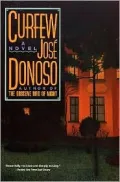
Jose Donoso has created a hauntingly beautiful novel of contemporary Chile and the human condition. Curfew takes place during a twenty-four-hour period in January 1985. Matilde Neruda, widow of the Nobel Prize-winning poet, has just passed away and Chile's various factions rally to turn the event to their advantage. For Pinochet's junta it represents a chance to assert political authority; for the intellectuals who had basked in Neruda's light, it is an opportunity to grab the spoils of the estate.
Editorials
Publishers Weekly -
This is the political novel Donoso was unable to write while in exile from Chile. Unlike the allegorical A House in the Country, his seventh book provides a gritty, realistic, yet eloquent vision of the author's beleaguered homeland12 years into Pinochet's dictatorship. Manungo Vera, a pop singer who has had some success in Europe but is now on the way down, returns to Santiago and is swept up in preparations for the funeral of Matilde Neruda, widow of the poet. Vera meets an old lover, Judit Torre, at a bar. The radical daughter of a wealthy fathera front page headline called her a ``Debutante Turned Criminal''Judit symbolizes elitist alienation. After an intense bout of lovemaking, and a near brush with death, the two join the huge crowd that has gathered at the cemetery for the funeral, now an anarchic battleground as both the left and right try to manipulate the event to their own advantage. Time is compressed into 24 hours, giving a heady urgency to the lovers' plans. Donoso's powerful vision of contemporary Chileseen through the grotesque optic that is his trademarkmakes Curfew an important literary event. (May)Library Journal
The renowned Donoso, home in his native Chile after years of living abroad, tackles the post-Allende situation in his newest work. Pablo Neruda's widow, Matilde, has just died, and everyone is scurrying to turn the ritual of death into a power struggle. Meanwhile, a popular rock star returns from the haven of Paris and becomes involved with Judit Torre, rich girl-turned-leftist who has relatives in the Pinochet regime; together they witness the brutal death of a friend in a police station. Even as he recreates the suffocating atmosphere of a regime that has managed to stay in power through 13 years of lies, violence, and economic disaster, Donoso demonstrates that those who fight dictators may also be cowards or fools. Jack Shreve, Allegany Community Coll., Cumberland, Md.Jacobo Timerman
The first original reflection on contemporary Chile to appear in its literature.—The New Yorker
Book Details
Published
August 25, 2000
Publisher
Grove Press / Atlantic Monthly Press
Pages
320
Format
Paperback
ISBN
9780802133816