
Colonialism & Imperialism, Literary Theory, General & Miscellaneous Literary Criticism
Log in to track your reading progress.
Overview
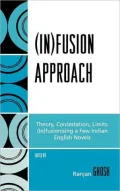
Opposing all claims that theory has come to an end, this book presents a fresh perspective on our reading, understanding, and application of theory and its affect on our interpretation of texts. (In)fusion theory challenges efforts to see theory as inhibiting by presenting an approach that is innovative, eclectic, and subtle in order to draw out competing and constellating ideas and opinions. This collected volume of essays examines (In)fusion theory and demonstrates how the theory can be applied to the reading of various works of Indian English novelists such as Salman Rushdie, Amitav Ghosh, Anita Desai, and Vikram Seth.
Editorials
Jeffrey J. Williams
We have heard about the death of theory for a decade, but of course the real question is what are the possibilities of theory now. This volume, with its sterling cast of contributors, offers some answers. It argues for a programmatic heterogeneity, fusing theories without disciplinary prejudice.Frank Ankersmit
Theory has always been interdisciplinary in its aims and purposes. But with the proliferation of Theory in the last decades, theories tended to degenerate into mere variants of the outmoded disciplinary approaches. So what we presently need, above all, is an interdisciplinary approach to Theory. This is what the (In)fusion paradigm proposed in this volume admirably realizes. It does so not only by means of theoretical reflection, but by also giving convincing examples of what the new paradigm may bringBook Details
Published
June 9, 2026
Publisher
University Press of America
Pages
352
Format
Hardcover
ISBN
9780761834649