
History & Criticism - Architecture
Log in to track your reading progress.
Overview
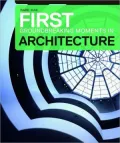
From the pyramids to the Guggenheim Museum, discover how these groundbreaking strucktures changed the course of architecture through the ages. Architecture evolves in response to man's technological advances and environmental demands. Driven by these developments, architects can be seen as the most innovative of artists. In twenty-five beautifully illustrated chapters, this volume for general readers and architecture lovers alike identifies the most important advancements in the field of architecture, and demonstrates how these innovations influenced the development of architecture. Chapters focus on topics such as monuments to the dead and places of worship; domes; pillars and arches; towers from Pisa to Eiffel; stadia and theaters; palaces and skyscrapers. Readers will learn about the introduction of glass, steel, iron, and concrete; how buildings express ideas; and the rediscovery of antiquity. Arranged chronologically, these chapters can be studied individually to deepen our understanding of particular aspects of architecture or as a whole-to appreciate the ever changing patterns of architectural advancement.
Editorials
From Barnes & Noble
In architecture, innovations beget innovations. Isabel Kuhl's Architecture: The Groundbreaking Moments opens our eyes to advancements in structure-building and then describes how these initial breakthroughs led to further refinements and creative leaps. In twenty-five chronologically arranged chapters, she shows how new materials, technological advances, societal demands, and environmental problems can vitalize or revitalize our built world.
From the Publisher
"The book emphasizes how movements develop untidily over time and amply shows that the most beautiful architecture, from Roman basilicas to Santiago Calatrava's rail stations, has come into the world in eras of change, when one idea is fitfully yielding to another." - The Wall Street Journal
Book Details
Published
June 13, 2012
Publisher
Prestel Publishing
Pages
208
Format
Paperback
ISBN
9783791346540