
Africa - African Peoples - East Africa, African Travel Photography, Africa - Travel - Pictorial Works, Africa - General & Miscellaneous, Travel Pictorials, Kenya - Travel
Log in to track your reading progress.
Overview
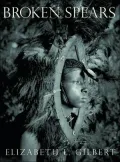
When renowned photojournalist Elizabeth Gilbert first came into contact with the Maasai over ten years ago, their images were everywhere in Africa. Pictures of warriors were printed on postcards, T-shirts, safari advertisements, and hotel logos, but in reality their traditional life was disappearing. So Gilbert — whose photographs have appeared in Time, Newsweek, Men's Journal, Life, and the New York Times — set out on a four-year journey to photograph what was left of traditional Maasailand. Broken Spears is the stunning result of that remarkable journey where Gilbert intimately and poignantly captures the majesty of these people. Over 120 images capture the rituals, secret ceremonies, and landscapes of the Maasai, documenting the life of this extraordinary tribe in the most comprehensive collection of photographs ever assembled. Gilbert's intimate relationship with the Maasai allowed her to photograph centuries-old Maasai ceremonies, including male and female circumcisions, weddings, and perhaps the most dangerous of all Maasai rituals, a lion hunt. A moving photographic journey into the vanishing culture of the Maasai warriors of Kenya and Tanzania, Broken Spears is a haunting testament to a rapidly disappearing way of life.Editorials
The New York Times
In Broken Spears, Gilbert displays, in dramatic black-and-white photographs and in an accompanying text that is nearly as beguiling as her pictures, the results of the four-year mission she assigned herself in 1998: to document, before it is too late, the rituals that shape the lives of the Masai. — Suzanne MacNeillePublishers Weekly
An American war photographer based in Nairobi for most of the '90s, Gilbert abandoned the carnage of Rwanda, Somalia and the Sudan in 1998 and set out "to get back to the richness of the land and its heritage." For her, that meant the 5,000-square-mile tribal reserve of the Maasai in Kenya and Tanzania via a four-year sojourn sponsored by Kodak and Corbis, the photo archive owned by Bill Gates. Famous fighters who grace countless "postcards, T-shirts, safari advertisements, and hotel logos" in Africa, the Maasai and their way of life are simultaneously overexposed and subject to "[e]ducation and the demands of a modern economy" that are driving the remaining 400,000 or so members apart. In the text, Gilbert yearns after "something purely African," and her treatment of the Maasai is a mixed bag of nostalgia, understanding, incomprehension, glorification and attempts at cultural relativism that are sorely strained by the "female circumcision" (ritual removal of the clitoris) that is compulsory for Maasai women, as well as other practices. But if one takes the text as secondary, many of the 120 b&w photos and 40 historical illustrations emerge powerfully. Beyond the expected elders sitting proudly for portraits, warriors roaming the plains with spears raised and lion-hunt carnage, Gilbert, with serious reservations, manages to get inside the hut where a woman is "circumcised" (she documents the circumcision of a man as well) and reveals a few emotional chinks in the Maasai armor. While she does not succeed in making their way of life fully comprehensible to outsiders, she does set it in dramatic relief. (Oct. 20) Forecast: Kodak promotions (including an online "PhotoChat") and an exhibition of Gilbert's work to be held at New York's June Bateman Gallery later this year should help generate interest among photo and journalism cognoscenti. Look for Gilbert's "female circumcision" photos to play a role in the ongoing debate on the practice and on feminism in Africa. Copyright 2003 Reed Business Information.Book Details
Published
April 7, 2004
Publisher
Atlantic Books
Pages
192
Format
Hardcover
ISBN
9780871138408