
Women Athletes - Biography, Great Adventures & Legendary Journeys - Travel Essays & Descriptions, Water Sports - General & Miscellaneous, Boating - General & Miscellaneous
Log in to track your reading progress.
Overview
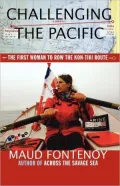
In 2003, the whole world celebrated Maud Fontenoy, the first woman to row alone across the North Atlantic. In 2005, raising the bar, she took on a far more difficult challenge: the Pacific Ocean-again, a feat no woman had ever before accomplished.Impossible! she was warned. The Pacific is far too vast! Intolerable heat! A foolhardy and dangerous undertaking! And what about sharks? And rapacious pirates?
Terrified but determined, Maud set off from Peru in her newly built boat, Océor, on her most challenging adventure yet. Stifling tropical temperatures made rowing impossible during the day, so Maud rowed mostly by night. Defying the elements and the daunting solitude, not to mention circling sharks, Maud overcame all the odds as well as her personal doubts and fears, demonstrating not only her indomitable courage and strength but proving once again that women can conquer the most difficult and treacherous obstacles.
Editorials
Publishers Weekly
In 2003, 25-year-old Fontenoy was the first woman to row solo across the North Atlantic, a daunting journey described in Across the Savage Sea. No sooner was she home in France than she was planning her next sea challenge. In January 2005, in homage to Heyerdahl's Kon-Tiki expedition some 58 years earlier, Fontenoy set off solo from Lima, Peru, across the Pacific to Hiva Oa in French Polynesia. She rowed some 4,400 miles in 73 days. She describes the experience of being alone at sea for days and nights on end-although she did have a satellite phone and communicated regularly. While she passed some fearful hours fretting about getting run over by container ships in the shipping lanes, about sharks attacking her while she unfouled her rudder, about pirates stealing her desalinator-no dire tragedies actually occurred. Exhausted and somewhat lame when she arrived in Tahiti, she revived quickly and enjoyed a celebrity welcome. While she shares very few of the practical details of her voyage-how she navigated, the design of her boat, how she prepared her food-Fontenoy writes lyrically of the beauty and power of the sea and of her struggle to reach her goal. (Nov.) Copyright 2006 Reed Business Information.Kirkus Reviews
Twenty-something rower Fontenoy chronicles her solo trip across the Pacific. In 2003, the author became the first woman to row across the Atlantic alone, an adventure she described in Across the Savage Sea (not reviewed). Two years later, itching for a new challenge, she set out to conquer the Pacific, rowing from Peru to Polynesia. Here, she records the hardships and privations of that trip-they range from mundane (she forgot to bring a toothbrush) to grave (storms and sharks are constant threats). The most interesting sections detail the advance-work that made the trip possible; she spent a full year outfitting her boat, finding sponsors and visiting local schoolchildren to generate interest in her endeavor. But the challenges of fundraising pale in comparison to the trials and taunts of the mighty Pacific. Barnacles jam the boat's rudder, and a horribly hot sun forces her to hide in a tiny, airless cabin every afternoon. Early on, she breaks a rib, and she's beset with migraines and tendonitis for most of the trip. Fontenoy includes some wonderfully humanizing details about herself-amid her packets of dry food and her maps, she brought along a few feminine luxuries, like razors and lotion, because occasional cosmetic indulgences help her stay upbeat. She's courageous on the open seas, but her writing is timid, and her ideas at times trite. Throughout, she weaves reflections on the meaning of happiness: Happiness is about doing the thing you have envisioned yourself doing-and so, at sea, she is happy. Happy, perhaps, but not deep. Occasionally, Fontenoy offers a lovely image-during a menacing storm, "the sea ground its teeth"-but on the whole, she offers neither the stylish prose northe wise insights of seasoned nature and adventure writers. Fontenoy's gift is for rowing, not writing.Book Details
Published
November 1, 2006
Publisher
Skyhorse Publishing
Pages
176
Format
Paperback
ISBN
9781611451290