
Fiction, Native & Indigenous History - Mesoamerica, Native North American History, Native & Indigenous History - South America & Caribbean, Fiction Subjects, General & Miscellaneous World History
Log in to track your reading progress.
Overview
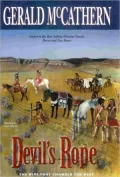
The ongoing story of the Ceebara, the million acre ranch on the Llano Estacado – and the adventures of Colonel Jim Cole and Ned Armstrong as they struggle against buffalo hunters, cattle rustlers, Indians and outlaws to carve out their ranching empire.Nobody liked the barbed wire, not even the ranchers who began installing it around their ranches. The first was called a drift fence – a fence erected to prevent cattle from drifting during winter storms. Next, ranchers began to fence their outer property lines to keep their cattle separated from neighbors livestock and to help control rustling. Then, homesteaders began fencing their small plots of land which were located within the boundaries of the huge, free grazing ranches, and started plowing out the sod and planting crops.
Horses and cattle were cut and maimed when they became entangled in the Devil’s Rope. Nomadic Indians were unable to travel their old trails. Then the disastrous blizzard of 1886 roared across the plains and hundreds of thousands of cattle piled up along the drift fences and froze to death.
Tempers flared, night riders began cutting wire, shots were fired and people were killed. The Texas Legislature stepped in with laws in an effort to prevent enclosure of school lands with wire by the cattle barons, and began levying lease payments on the school lands.
The die had been cast, barbed wire was here to stay, and free grazing was a thing of the past!
Synopsis
The ongoing story of the Ceebara, the million acre ranch on the Llano Estacado – and the adventures of Colonel Jim Cole and Ned Armstrong as they struggle against buffalo hunters, cattle rustlers, Indians and outlaws to carve out their ranching empire.Nobody liked the barbed wire, not even the ranchers who began installing it around their ranches. The first was called a drift fence – a fence erected to prevent cattle from drifting during winter storms. Next, ranchers began to fence their outer property lines to keep their cattle separated from neighbors livestock and to help control rustling. Then, homesteaders began fencing their small plots of land which were located within the boundaries of the huge, free grazing ranches, and started plowing out the sod and planting crops.
Horses and cattle were cut and maimed when they became entangled in the Devil’s Rope. Nomadic Indians were unable to travel their old trails. Then the disastrous blizzard of 1886 roared across the plains and hundreds of thousands of cattle piled up along the drift fences and froze to death.
Tempers flared, night riders began cutting wire, shots were fired and people were killed. The Texas Legislature stepped in with laws in an effort to prevent enclosure of school lands with wire by the cattle barons, and began levying lease payments on the school lands.
The die had been cast, barbed wire was here to stay, and free grazing was a thing of the past!
Book Details
Published
November 20, 2010
Publisher
OUTLAW BOOKS/MICHAEL CAMPBELL
Pages
265
ISBN
9781935841388