
Techniques & Strategies in Environmental Conservation & Protection, General & Miscellaneous Environmental Policies, Environmental Conservation & Protection Policy, Humanity - Relationship with Nature
Available on Bookshop
Write a review
Books.org participates in affiliate programs including Bookshop.org and the Amazon Services LLC Associates Program. We may earn a commission from qualifying purchases made through links on this page, at no additional cost to you.
Log in to track your reading progress.
Overview
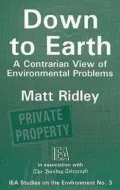
World population growth is decelerating: food, oil and copper are all cheaper and more abundant than ever before.Global temperatures may actually be falling, according to satellite sensors. The ozone layer is getting thicker, not thinner, over temperature latitudes. Winter sown corn, not pesticide use, is responsible for the decline in songbirds on farmland. Some scientists say twenty percent of species will be extinct in thirty years, yet the actual extinction rate of birds and mammals is 0.00008 percent a year. Big-game hunters are the best hope for the survival of Africa's wildlife outside a few well-financed national parks. Environmental lobbying organisations are spending more money on lawyers and marketing men to grow their own budgets and less on naturalists and volunteers. Forty percent of all trees in Britain belong to the government, whose record of mismanagement of forest ecology, public access and finance is second to none. Government conservation schemes are too defensive; their sole aim is to protect rich habitats rather than to improve impoverished ones. Exaggeration, nationalisation and central planning are the enemies of the environment, not the allies.Book Details
Published
February 19, 1995
Publisher
Institute of Economic Affairs, 1995.
Pages
80
Format
Paperback
ISBN
9780255363457