
Earthquakes & Volcanoes, Earth Science
Available on Bookshop
Write a review
Books.org participates in affiliate programs including Bookshop.org and the Amazon Services LLC Associates Program. We may earn a commission from qualifying purchases made through links on this page, at no additional cost to you.
Log in to track your reading progress.
Editorials
Children's Literature -
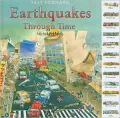
Part of the series "Fast Forward" this title is truly a high-speed look at the devastation an earthquake can cause. Set in Japan, the book begins with an earthquake supposedly happening 3,000 years ago. Readers see an illustration with few people who watch the effects of the quake. As time passes the same area becomes more built up and with that more people move into the city. The following page shows the city only 100 years ago and the havoc and destruction another quake wreaks. Text and smaller illustrations describe what occurs during a quake while a sidebar of still smaller illustrations indicates the time frame and presents factual information along with a visual representation. One can almost hear the sound of the earthquake as it begins along with the loud cries of the people. Since Japan is surrounded by water, tsunamis are explained. Here the illustration clearly shows the meaning of the word: a wave breaking into a harbor. The authors conclude their description with a look back at the event. Students are touring a museum exhibit of the quake where they are able to experience simulations of a quake, and view before and after models of the city. The students are engaged and enjoying themselves while their chaperones are clearly disturbed by the memory. Scientific information seems accurate, a glossary explains terms, the index is adequate and there is a note that the publisher has developed a list of websites to help with further study. Reading level is geared toward fourth grade, but teachers studying Pompeii or San Francisco might like to use this book for the visuals. The artwork is not particularly stunning, but it gets the job done. Young readers will probably not havedifficulty following the scientific information and the narrative. While the ancient Chinese method of determining an earthquake's direction rates a short sentence, nothing was mentioned about the old Turkish method of using cylindrical columns that turned in cups in mosques. If columns could not be turned, the building's integrity was compromised and it was deemed unsafe. Some attention is given to modern building matters and safety features. Not a must purchase, but a consideration if there is extra money. Reviewer: Leslie Greaves RadloffBook Details
Published
January 1, 2009
Publisher
Rosen Publishing Group, Incorporated, The
Pages
32
Format
Library Binding
ISBN
9781435828032