
Ophthalmology, Anxiety, Stress & Trauma-Related Disorders, Psychopathology - General & Miscellaneous, Treatment - General & Miscellaneous - Psychology, Psychotherapy
Log in to track your reading progress.
Overview
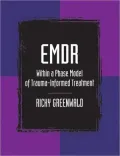
A practical guide to learning and using EMDRTrauma is a potential source of most types of emotional or behavioral problems. Extensive research has shown EMDR to be an effective and efficient trauma treatment. EMDR Within a Phase Model of Trauma-Informed Treatment offers mental health professionals an accessible plain-language guide to this popular and successful method. The book also introduces the "Fairy Tale Model" as a way to understand and remember the essential phases of treatment and the tasks in each phase.
This manual teaches a clear rationale and a systematic approach to trauma-informed treatment, including often-neglected elements of treatment that are essential to preparing clients for EMDR. The reader is led step by step through the treatment process, with scripted hands-on exercises to learn each skill.
In addition to presenting the fundamental EMDR procedures, EMDR Within a Phase Model of Trauma-Informed Treatment teaches a treatment system that can be applied to a variety of cases. Using research-supported and proven-effective methods, this book takes you through the treatment process with easily-understood dialogues and examples. Explicitly guided exercises produce hands-on skills and familiarize you with ways to explain trauma to clients and prepare them for EMDR. You will also learn to problem-solve challenging cases using the trauma framework.
• EMDR Within a Phase Model of Trauma-Informed Treatment also includes an Instructor’s Manual with:
• Sample syllabus
• Teaching tips
• PowerPoint slides
• Test bank
• Additional discussions address:
• Why trauma matters
• Posttraumatic symptoms
• The "trauma wall"
• The structure of trauma treatment
• The role of EMDR
• The eight phases of EMDR
• Preparing clients for EMDR
• Legal and medical issues in EMDR
• Problem solving strategies in EMDR sessions
• Treatment strategies for a variety of presenting problems
• Using EMDR with children and adolescents
• Use and application of the "fairy tale model"
• On-line and digital resources
Designed to be a comprehensive primer, companion/supplemental textbook, and valuable reference resource, EMDR Within a Phase Model of Trauma-Informed Treatment is ideal for clinicians already trained in EMDR, those actively learning EMDR, and mental health professionals interested in EMDR.
Synopsis
A practical guide to learning and using EMDR! Trauma is a potential source of most types of emotional or behavioral problems. Extensive research has shown EMDR to be an effective and efficient trauma treatment. EMDR Within a Phase Model of Trauma-Informed Treatment offers mental health professionals an accessible plain-language guide to this popular and successful method. The book also introduces the “Fairy Tale Model” as a way to understand and remember the essential phases of treatment and the tasks in each phase. This manual teaches a clear rationale and a systematic approach to trauma-informed treatment, including often-neglected elements of treatment that are essential to preparing clients for EMDR. The reader is led step by step through the treatment process, with scripted hands-on exercises to learn each skill. In addition to presenting the fundamental EMDR procedures, EMDR Within a Phase Model of Trauma-Informed Treatment teaches a treatment system that can be applied to a variety of cases. Using research-supported and proven-effective methods, this book takes you through the treatment process with easily-understood dialogues and examples. Explicitly guided exercises produce hands-on skills and familiarize you with ways to explain trauma to clients and prepare them for EMDR. You will also learn to problem-solve challenging cases using the trauma framework. Additional discussions address: why trauma matters posttraumatic symptoms the “trauma wall” the structure of trauma treatment the role of EMDR the eight phases of EMDR preparing clients for EMDR legal and medical issues in EMDR problem solving strategies in EMDR sessions treatment strategies for a variety of presenting problems using EMDR with children and adolescents use and application of the “fairy tale model” on-line and digital resources Designed to be a comprehensive primer, companion/supplemental textbook, and valuable reference resource, EMDR Within a Phase Model of Trauma-Informed Treatment is ideal for clinicians already trained in EMDR, those actively learning EMDR, and mental health professionals interested in EMDR. Note that to practice EMDR requires formal supervised training.Editorials
From The Critics
Reviewer: Nicholas Greco IV, MS, BCETS, CATSM(Abbott Laboratories)Description: Finally, an in-depth primer on eye movement desensitization and reprocessing (EMDR) that actually makes sense and is a pleasure to read. This manual provides clear guidance and a systematic approach to using trauma-informed treatment.
Purpose: The purpose is to present (EMDR) at a basic level but also in a manner that can be implemented by clinicians. The main goal is to present the basics of EMDR, clearly and well.
Audience: The book is intended for both those who have had formal training in EMDR who want to extend their skills and fill in the gaps and for those just learning EMDR who need a valid and reliable guide and training manual. The author is a well respected and well known clinician and researcher. He is a leading authority in EMDR treatment and training, and this guide more than demonstrates that.
Features: Although this is a basic guide and manual, the author presents a substantial amount of information which clearly leaves readers more confident in their understanding of EMDR after reading this book. He aptly presents the how and why of trauma and trauma treatment and then delves into the role that EMDR plays. Readers are walked through the initial meeting with the client to closure, with appropriate discussions of how to handle the bumps in the road. Many clinicians will appreciate the chapter on EMDR for children and adolescents as well as the chapter on challenging cases.
Assessment: This is the essential guide for learning and mastering the basics of EMDR. It is required reading for all clinicians who use EMDR in their practice.
Book Details
Published
February 27, 2012
Publisher
Taylor & Francis
Pages
268
ISBN
9781136867163