
Medical Reference, Emergency & Critical Care, Child Rearing & Development, Infants & Toddlers - Infants, Pediatrics
Available on Bookshop
Write a review
Books.org participates in affiliate programs including Bookshop.org and the Amazon Services LLC Associates Program. We may earn a commission from qualifying purchases made through links on this page, at no additional cost to you.
Log in to track your reading progress.
Overview
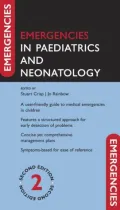
Severely unwell children are the most frightening emergency a clinician can face. This second edition of Emergencies in Paediatrics and Neonatology, guides the clinician through what to do and when, in a format that can be read at the bedside. Resuscitation techniques are described in detail and comprehensive management plans are provided. Organised by symptom, the handbook concisely covers a range of essential information, from the key facts to elicit in the history to the specific difficulties of treating children in an emergency situation - communication and pain relief. Symbols are used to indicate clinical severity ranging from life-threatening to minor, and the book includes detailed drug dosages for children and the most recent resuscitation guidelines.
The new edition brings this bestselling guide fully up-to-date, including the management of anaphylaxis and rheumatic fever. The number of algorithms included in the book has also been increased.
Synopsis
Severely unwell children are the most frightening emergency a clinician can face. This second edition of Emergencies in Paediatrics and Neonatology, guides the clinician through what to do and when, in a format that can be read at the bedside. Resuscitation techniques are described in detail and comprehensive management plans are provided. Organised by symptom, the handbook concisely covers a range of essential information, from the key facts to elicit in the history to the specific difficulties of treating children in an emergency situation - communication and pain relief. Symbols are used to indicate clinical severity ranging from life-threatening to minor, and the book includes detailed drug dosages for children and the most recent resuscitation guidelines. The new edition brings this bestselling guide fully up-to-date, including the management of anaphylaxis and rheumatic fever. The number of algorithms included in the book has also been increased.Editorials
From The Critics
Reviewer: Roxanne Thompson, MD(Ochsner Clinic Foundation)Description: This handbook on the management of emergencies in children and neonates uses a bulleted format to present the information.
Purpose: The purpose is to provide quick information to the on call provider for emergencies in infants and children. The book meets this worthy goal.
Audience: This is best suited for use by medical students, residents, or general practitioners. Emergency department physicians or other generalists might also find it useful. Nonphysician healthcare workers, such as nurses or emergency medical technicians could also use this as a reference. Most pediatricians would find it lacking sufficient detail for their needs. Because the authors are writing for a British audience, there are some differences in both the language and the healthcare system that might make this book less useful for U.S. practitioners.
Features: The book covers a wide range of pediatric emergencies. The bulleted format makes it very readable and useful in the emergency situations that it describes.
Assessment: This may be helpful to nurses, residents, students, or others who are just starting out in pediatrics and need very basic information about pediatric emergencies. Experienced pediatric physician providers will find the information too basic. For more detailed and in-depth information for an upper level residents or practitioners, I would recommend Tarascon Pediatric Emergency Pocketbook, 5th edition, by Rothrock (Tarascon Publishing, 2007). This book provides tables of information for quick reference and it has the added benefit of being smaller and therefore easier to carry in a pocket.
Book Details
Published
April 6, 2013
Publisher
Oxford University Press, USA
Pages
540
Format
Paperback
ISBN
9780199605538