
Audiology & Speech Pathology, Neurology, Experimental Psychology, Pediatrics
Available on Bookshop
Write a review
Books.org participates in affiliate programs including Bookshop.org and the Amazon Services LLC Associates Program. We may earn a commission from qualifying purchases made through links on this page, at no additional cost to you.
Log in to track your reading progress.
Overview
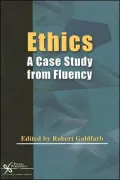
Recent media attention to a 1939 master's thesis that has become known as The Tudor Study prompted Dr. Goldfarb and others to revisit the ethical consideration of this study as a means of exploring ethical issues in clinical and research practices today. Gathered here are the leading authorities in stuttering and, together, they investigate the Tudor study and, more broadly, ethics in scientific research, diagnosis, and treatment in the field of communication sciences. An engaging, stimulating, and timely book for students and clinicians alike.Editorials
From The Critics
Reviewer: Jeanne McHugh, M.S.(George Washington University)Description: This book discusses the Tudor study as well as past and present ethical considerations related to stuttering research. It also includes a chapter providing basic information on stuttering and diagnosis.
Purpose: The purpose of this book, according to the authors, is to look in detail at "Wendell Johnson's diagnosogenic or semantogenic theory," and "to begin a critical review not only of the Tudor study..., but also of ethics in scientific research." Due to recent media attention given to this study, it seems to be a timely topic. The authors meet their objectives.
Audience: On the back cover, it states that, "Students and clinicians alike will find the accounts within this book engaging, stimulating and ultimately relevant." This book would be good for teachers/professors to use as an additional text to stimulate discussion regarding ethics and research.
Features: The positive aspect of this book is also its shortcoming, in that it discusses one particular study in detail. It is unique in that it demonstrates how ethics were/were not addressed in this particular study as opposed to just listing the rules and regulations associated with ethics in scientific research.
Assessment: This would be a useful tool in facilitating class discussions regarding ethics in scientific research. For those not in the field of speech-language pathology, the chapter providing brief, general information on stuttering and diagnosis is somewhat helpful to understand the information presented in the rest of the book.
Book Details
Published
November 1, 2005
Publisher
Plural Publishing Inc
Pages
227
Format
Paperback
ISBN
9781597560108