
Eyes, Ears & Teeth, Oral Medicine, Anatomy & Physiology
Log in to track your reading progress.
Synopsis
Many animals use their mouths in amazing ways. Mouths communicate through yawning, spitting, chattering, whistling, licking, smiling, and biting. Some animals keep their young in their mouths. Others use them as hiding places for weapons. Open this book to meet some remarkable mouths.Editorials
Children's Literature -
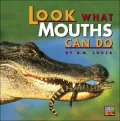
Lots of big mouths jump out from the pages of this book, beginning with the close-up cover photo of a mother alligator gently holding a smiling baby alligator between her teeth. Grade two- to four-level readers will speed through chapters with clever headings including "Tricky Hunter," "Bus Rides" (the chapter about the mother alligator and her method of transporting her newborn babies to their first swimming lesson), "Big Mouth" (featuring a graphic fight between two bull hippopotamuses), and "Powerful Saliva." The full-color photographs are breathtakingly beautiful. Interesting scientific facts, such as the use of specially raised leeches to treat bruises or black eyes in contemporary medicine, and that the male Jawfish carries the family's eggs around in his mouth until they hatch, will lead to interesting discussions. Each chapter features two full-page distinct photos of the particular featured creature and two pages of scientific information. Kissing prairie dogs, fat-billed oystercatchers, and anteaters are just some of the amazing creatures highlighted. Children will have questions about the different types of mouths and most are addressed in the fairly extensive "Glossary" and "Further Reading" sections. The "Websites" chapter contains information on leeches, alligators, hippopotamuses, insects, and the archerfish. The "Index" is quite complete. This title is part of the "Look What Animals Can Do" series.School Library Journal
Gr 2-4-These colorful series titles have fun facts and sharp, clear photos. Providing plenty of examples, they show how a variety of animals (mammals, fish, birds, insects, and reptiles) use their mouths, tails, or whiskers. For example, readers learn that leeches use their mouths to suck blood and can help save lives. Skinks can escape from their predators by leaving their tails behind. Manatees use their 600 short whiskers as fingers to help them find food. Kids will be captivated by the quirky use and build of certain animals' anatomy and will also be exposed to new creatures. The excellent-quality photographs, a conversational tone, short and concise sentences, and the large-font text make these books easily accessible for young readers. Youngsters will need to look elsewhere for report fodder, but those interested in animals will be fascinated by the information provided here.-Jennifer Cogan, Bucks County Free Library, Doylestown, PA Copyright 2006 Reed Business Information.Book Details
Published
January 1, 2007
Publisher
Lerner Publishing Group
Pages
48
Format
Paperback
ISBN
9780822566694