
International Relations - General & Miscellaneous, Peace Studies, Diplomacy - General & Miscellaneous, World History - General & Miscellaneous
Log in to track your reading progress.
Overview
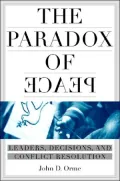
This wide-ranging text examines the foundations of peace by using diverse case studies to look at the calculations of political leaders and their reliance on optimism. Drawing on global examples from various historical periods, John D. Orme calls into question the longstanding assumption that optimism about the benefits of peace leads to conflict termination. Instead, he suggests that when leaders perceive little opportunity for gains through sustained conflict, the likelihood of peace through compromise may be most likely. Bringing together key issues of foreign policy, statesmanship, and diplomacy, this book offers a provocative and straightforward case against the use of optimism in international relations.
Book Details
Published
June 1, 2004
Publisher
Palgrave Macmillan
Pages
208
Format
Hardcover
ISBN
9781403965196