
General & Miscellaneous Espionage, International Cooperation
Log in to track your reading progress.
Overview
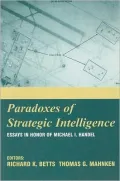
Part of a three part collection in honour of the teachings of Michael I. Handel, one of the foremost strategists of the late 20th century, this collection explores the paradoxes of intelligence analysis, surprise and deception from both historical and theoretical perspectives.Editorials
Foreign Affairs
Admirers of the late Michael Handel will welcome this short volume of essays, one of three produced as a tribute. It addresses one of Handel's favorite topics: how countries can manage their intelligence to avoid getting caught by surprise. In addition to his own essay on the subject, there are contributions by a number of top specialists, including Richard Betts' discussion of the politicization of intelligence and John Ferris' detailed assessment of British military deception in the two world wars. Handel died in June 2001, a few months before that September's catastrophic surprise. As James Wirtz notes, the fact that the United States might have seen the attack coming would have confirmed Handel's skepticism of the possibility of developing an operational theory of surprise. These essays similarly conclude that there are inherent difficulties in trying to guard against surprise, although there are approaches to intelligence collection that can reduce its likelihood.Book Details
Published
August 28, 2003
Publisher
Routledge
ISBN
9780203508640