
Basic Sciences, Family - Assorted Topics, Administration & Management, Nursing, Infants & Toddlers, Business - General & Miscellaneous, Clinical Medicine
Log in to track your reading progress.
Editorials
From The Critics
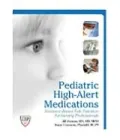
Reviewer: Lisa C Corso, BSN(University of New Mexico Health Sciences Center)Description: The authors discuss the challenges of safe medication dosing and administration in pediatric patients, and identify specific categories of medications at highest risk. The book also offers three continuing education units for nurses.
Purpose: The authors' intent is to improve pediatric high alert medication safety practices by reducing avoidable errors. Pediatric patients do not respond to or metabolize medications the same ways that adults do. Raising awareness of these differences and integrating evidence-based practice into the medication process may improve patient safety. The authors have created a comprehensive overview of medication safety in pediatrics.
Audience: The book is written for nurses, especially those caring for pediatric patients. It would be valuable for student nurses, and may also be of interest to nurse educators. Jill Duncan is a clinical nurse specialist in neonatal intensive care who has over 14 years of acute care pediatric experience. Jason Corcoran is a doctor of pharmacy, practicing as a clinical pharmacy specialist, and has five years of experience as a pediatric pharmacist.
Features: The first four chapters cover the differences in pediatric patients, and how those differences affect medication pharmacokinetics and methods of administering medications. The Joint Commission National Patient Safety Goals and system safeguards for reducing errors are also discussed. The next chapters cover seven categories of medications. Each chapter begins with a section on why the medications are considered high risk, a general discussion of the medications in the class, and which groups of pediatric patients are most at risk. The authors then give pharmacokinetic differences, indications and management, patient compliance issues, administration, monitoring, and patient and family education highlights. Each chapter also includes a case study where there was either an error caused by a break in the safety process, or a save because the safety processes were followed. The case studies include discussion questions and make an interesting addition to the chapters. There is an extensive reference and bibliography list.
Assessment: This readable book provides a lot of information valuable to student nurses, nurses who are new to the pediatric area, or who wish to improve their practice. This book is not a nursing medication reference; it is more of a self-study educational offering. The authors deliberately do not give medication doses and administration specifics and focus instead on national standards, trends, and safety processes.
Book Details
Published
July 1, 2007
Publisher
HCPro, Inc
Pages
168
Format
Paperback
ISBN
9781601460271