
Slavery - Emancipation, Abolition & African American Civil War Participation, Slavery - Social Sciences, African Diaspora (outside U.S.) - Slavery, Imperialism, British History - Social Aspects, Slavery & Abolitionism - African American History, British I
Available on Bookshop
Write a review
Books.org participates in affiliate programs including Bookshop.org and the Amazon Services LLC Associates Program. We may earn a commission from qualifying purchases made through links on this page, at no additional cost to you.
Log in to track your reading progress.
Overview
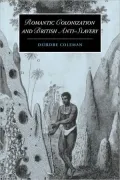
The loss of Britain's North American colonies sparked an intense debate about the nature of colonization in the period 1770-1800. Drawing on archival research into colonies in Africa and Australia, including Sierra Leone and Botany Bay, Deirdre Coleman shows how the growing popularity of the antislavery movement gave a utopian cast to the debate about colonization. This utopianism can be seen most clearly in Romantic attempts to found an empire without slaves, a new world which would also encompass revolutionary sexual, racial and labour arrangements. From Henry Smeathman and John Clarkson in Sierra Leone to Arthur Philip and William Dawes in Botany Bay, Coleman analyzes the impact of the discourses and ideals underlying Romantic colonization. She argues that these paved the way for racial strife in West Africa and the eventual dispossession of Australia's native people.Book Details
Published
March 1, 2009
Publisher
Cambridge University Press
Pages
296
Format
Paperback
ISBN
9780521102711