
Heart & Vascular Diseases, Healthy Living, Body Care & Health
Available on Bookshop
Write a review
Books.org participates in affiliate programs including Bookshop.org and the Amazon Services LLC Associates Program. We may earn a commission from qualifying purchases made through links on this page, at no additional cost to you.
Log in to track your reading progress.
Overview
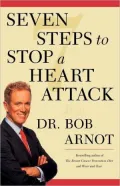
When Dr. Bob Arnot's father -- himself a distinguished doctor -- died of a massive heart attack, it came as a horrible shock. A heart attack can happen to anyone, but upon further investigation, Dr. Arnot came to believe that his father's death could have been prevented. The tragedy inspired Dr. Arnot to write this book, exploring all the very latest developments in medical science, many of which have come to light only recently, and developing steps that can help people avoid his father's fate. Dr. Bob discusses how to:• Know the warning signs
• Determine your risk
• Get the right diagnosis
• Get the right medications
• Get the right procedures
Based on extensive discussions with renowned experts in the field of cardiology, Seven Steps to Stop a Heart Attack covers all the risks, symptoms, procedures, and medications in prose that is clear, concise, and easy to follow. For a country in which half a million people die each year from heart attacks, this is a work of profound importance for the general public and physicians alike.
Editorials
Publishers Weekly
Not only is heart disease the number one cause of death in America, it's also a problem that can frequently be prevented. Tragically, however, one of its first symptoms is often sudden, unexpected death from a heart attack. In his ninth book (after The Breast Health Cookbook; The Prostate Cancer Protection Plan; etc.), Arnot aims to give readers the tools to ensure they're not among the patients who "fall through the cracks." He outlines his seven steps in straightforward chapters on detecting warning signs, determining risk, taking medication and more. Incorporating the sometimes contradictory opinions of various medical experts, he puts the responsibility of making an informed decision into readers' hands, explaining that physicians may miss telltale signs and hospitals may not be ready to deal with a particular problem (some, for example, aren't equipped for life-saving balloon therapy, so it pays to research local health care options before a crisis arises). There's no universal plan to treat heart disease, Arnot stresses, but he urges readers to become educated regarding their options and aggressive in the lifestyle changes that could save their lives. Agent, Dan Green at Pom. (Jan.) Forecast: Arnot is well-known not just for his books but for his media appearances on CBS This Morning, the Today Show and Dateline NBC, so readers wanting to bone up on heart health should trust his expertise. Copyright 2004 Reed Business Information.Library Journal
For many, the first symptom of coronary artery disease (CAD) is the last-sudden death. As noted here by Arnot (The Prostate Cancer Protection Plan), of the 1.5 million people who have heart attacks each year, approximately a third die. In one of the best overviews this reviewer has ever read on the risks and warning signs of CAD, Arnot compellingly details the risk factors (e.g., metabolic syndrome, or Syndrome X), diagnostic tests for each risk factor, who should request them, and how results should be interpreted. He also presents a thoughtful discussion of medications and other therapies and outlines questions that patients should ask their healthcare providers. Arnot frequently points out that heart disease is a "lifestyle disease" and that diet and exercise are among the most powerful prescriptions to combat it. Unfortunately, he doesn't mention a recent Stanford University report showing that many physicians don't feel they have the experience or the knowledge to counsel patients on either of those topics. Still, this is a solid book, based on the most current medical research and interviews with noted cardiologists. Highly recommended for consumer health collections in public and academic libraries. [See Prepub Alert, LJ 9/15/04.]-Howard Fuller, Stanford Health Lib., Palo Alto, CA Copyright 2004 Reed Business Information.Book Details
Published
March 20, 2006
Publisher
Simon and Schuster
Pages
288
Format
Paperback
ISBN
9780743225595