
Literary Criticism - General & Miscellaneous, English Drama - 16th-17th Century - Elizabethan & Jacobean Eras - Shakespeare - Literary Criticism, Renaissance - History, Ethnic & Race Relations - General, Religious Pluralism & Religious Tolerance, Society
Available on Bookshop
Write a review
Books.org participates in affiliate programs including Bookshop.org and the Amazon Services LLC Associates Program. We may earn a commission from qualifying purchases made through links on this page, at no additional cost to you.
Log in to track your reading progress.
Overview
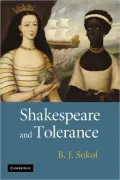
Shakespeare's remarkable ability to detect and express important new currents and moods in his culture often led him to dramatise human interactions in terms of the presence or absence of tolerance. Differences of religion, gender, nationality, and what is now called 'race' are important in most of Shakespeare's plays, and varied ways of bridging these differences by means of sympathy and understanding are often depicted. The full development of a tolerant society is still incomplete today, and this study demonstrates how the perceptions Shakespeare showed in relation to its earlier development are still instructive and valuable. Many recent studies of Shakespeare's work have focussed on reflections of the oppression or containment of minority, deviant or non-dominant groups or outlooks. This book reverses that trend; its close analyses of many Shakespearian plays, passages and themes show that Shakespeare was fascinated by the desires that underlie tolerant impulses and behaviours.Synopsis
Shakespeare's remarkable ability to detect and express important new currents and moods in his culture often led him to dramatise human interactions based on the presence or absence of tolerance. Differences of religion, gender, nationality and what is now called 'race' are important in most of Shakespeare's plays, and varied ways of bridging these differences by means of sympathy and understanding are often depicted. The full development of a tolerant society is still incomplete, and this study demonstrates how the perceptions Shakespeare showed in relation to its earlier development are still instructive and valuable today. Many recent studies of Shakespeare's work have focused on reflections of the oppression or containment of minority, deviant or non-dominant groups or outlooks. This book reverses that trend and examines how Shakespeare was fascinated by the desires that underlie tolerance, including religion, race and sexuality, through close analysis of many Shakespearian plays, passages and themes.Book Details
Published
December 1, 2010
Publisher
Cambridge University Press
Pages
262
Format
Paperback
ISBN
9780521182867