
Literary Criticism - General & Miscellaneous, English Drama - 16th-17th Century - Elizabethan & Jacobean Eras - Shakespeare - Literary Criticism, Humanism
Available on Bookshop
Write a review
Books.org participates in affiliate programs including Bookshop.org and the Amazon Services LLC Associates Program. We may earn a commission from qualifying purchases made through links on this page, at no additional cost to you.
Log in to track your reading progress.
Overview
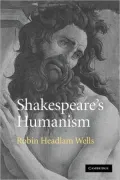
Renaissance humanists believed that if you want to build a just society you must begin with the facts of human nature. This book argues that the idea of a universal human nature was as important to Shakespeare as it was to every other Renaissance writer. In doing so it questions the central principle of postmodern Shakespeare criticism. Postmodernists insist that the notion of a defining human essence was alien to Shakespeare and his contemporaries; as radical anti-essentialists, the Elizabethans were, in effect, postmodernists before their time. In challenging this claim, Shakespeare's Humanism shows that for Shakespeare, as for every other humanist writer in this period, the key to all wise action was 'the knowledge of our selves and our human condition'.Synopsis
Arguing that belief in a universal human nature was as important to Shakespeare as to every other Renaissance writer, this book questions the central principle of postmodern Shakespeare criticism. Postmodernists insist that the notion of a defining human essence was alien to Shakespeare and his contemporaries and as radical anti-essentialists, the Elizabethans were, in effect, postmodernists before their time. Challenging this claim, this book demonstrates that for Shakespeare, as for every other humanist writer in this period, the key to all wise action was 'the knowledge of our selves and our human condition.'Book Details
Published
April 1, 2009
Publisher
Cambridge University Press
Pages
292
Format
Paperback
ISBN
9780521107235