
Physician & Patient, Pathology, Diseases & Disorders - General & Miscellaneous, Anxiety, Stress & Trauma-Related Disorders, Caregiving, Stress & Anxiety Management - Self-Help, Coping & Healing
Log in to track your reading progress.
Overview
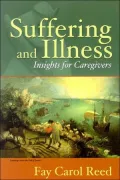
What is suffering? This question is addressed with professional comprehension and compassion by the author who draws upon her clinical experience with real people in distress, coupled with an exhaustive review of the literature of suffering.
Editorials
From The Critics
Reviewer: Melody L. McKinney, DNS, RN(Indiana State University)Description: Attention to human suffering, an integral part of disease intervention and health promotion, is often lacking in modern healthcare practice and scholarship. This book examines the nature, expression, and significance of human suffering; and building on this foundation, uses a patient-centered, cognitive and experientially-based focus to address the care of suffering persons. Additional features include precepts for practice, a table of questions to elicit individual characteristics of suffering, and an afterword that explores the influence of literature and religion on suffering.
Purpose: The book was written to increase individual awareness and understanding of suffering and to provide guidelines for identifying and caring for sufferers.
Audience: The targeted audience is primarily students and clinicians in the healthcare field, but the book may also be useful to persons wanting to reflect on the phenomenon of suffering.
Features: The book is divided into two parts including nine chapters that attempt to clarify the nature of suffering and describe approaches to caring for suffering individuals. The first four chapters explore the necessity of studying suffering, as well as the nature, characteristics, and significance of suffering. The remaining chapters explore the clinician requirements, preventing unnecessary suffering, trust erosion as a source of suffering, and eliciting individual characteristics of suffering.
Assessment: This articulate and well-indexed, first-edition handbook is a model for understanding the experience of human suffering and providing compassionate care for adults who have experienced physical illness or disability. Each chapter concludes with a summary, precept for practice, and selected references. The book does not attempt to capture all aspects of suffering or address the unique characteristics of disease- or disability-specific suffering. Since suffering is addressed as an entity, specific topics such as end-of-life care, euthanasia, and personal or spiritual growth through illness and suffering are also not addressed. This gem of a handbook should be used by all clinicians so that the identification, prevention, and relief of suffering can become an integral part of all health care.
From The Critics
Drawing on her clinical experience with people in distress and on a review of the literature of suffering, the author, a nurse, presents a model of suffering and its common characteristics so that caregivers can learn to identify, relieve, and prevent suffering. She sensitizes clinicians to perceive suffering and transcend the denial of suffering in modern health care, and discusses the ways in which patients find significance in suffering, the role of empathy and compassion in caring for suffering patients, and the circumstances in which patients unnecessarily suffer. Annotation c. Book News, Inc., Portland, OR4 Stars! from Doody
Book Details
Published
February 1, 2003
Publisher
Philadelphia, Pa. : F.A. Davis, c2003.
Pages
159
Format
Paperback
ISBN
9780803610026