
History, Europe, Great Britain, Victorian Era (1837-1901), Historiography, World, Social History
Available on Bookshop
Write a review
Books.org participates in affiliate programs including Bookshop.org and the Amazon Services LLC Associates Program. We may earn a commission from qualifying purchases made through links on this page, at no additional cost to you.
Log in to track your reading progress.
Synopsis
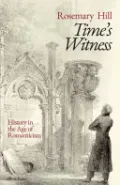
Between the fall of the Bastille in 1789 and the opening of the Great Exhibition in 1851, history changed. The grand narratives of the Enlightenment, concerned with kings and statesmen, gave way to a new interest in the lives of ordinary people. Oral history, costume history, the history of food and furniture, of Gothic architecture, theatre and much else were explored as never before. Antiquarianism, the study of the material remains of the past, was not new, but now hundreds of men - and some women - became antiquaries and set about rediscovering their national history, in Britain, France and Germany. The Romantic age valued facts, but it also valued imagination and it brought both to the study of history. Among its achievements were the preservation of the Bayeux Tapestry, the analysis and dating of Gothic architecture, and the first publication of Beowulf. It dispelled old myths, and gave us new ones: Shakespeare's birthplace, clan tartans and the arrow in Harold's eye are among their legacies. From scholars to imposters the dozen or so antiquaries at the heart of this book show us history in the making.Book Details
Published
June 24, 2021
Publisher
Allen Lane
Pages
416
ISBN
9781846143120