
Fiction, General & Miscellaneous Poetry, Peoples & Cultures - Fiction, European Poetry
Log in to track your reading progress.
Overview
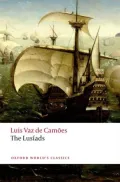
First published in 1572, The Lusiads is one of the greatest epic poems of the Renaissance, immortalizing Portugal's voyages of discovery with an unrivalled freshness of observation.At the centre of The Lusiads is Vasco da Gama's pioneer voyage via southern Africa to India in 1497-98. The first European artist to cross the equator, Cam--otilde--;es's narrative reflects the novelty and fascination of that original encounter with Africa, India and the Far East. 1998 is the quincentenary of Vasca da Gama's voyage via southern Africa to India, the voyage celebrated in this new verse translation. - ;First published in 1572, The Lusiads is one of the greatest epic poems of the Renaissance, immortalizing Portugal's voyages of discovery with an unrivalled freshness of observation.
At the centre of The Lusiads is Vasco da Gama's pioneer voyage via southern Africa to India in 1497-98. The first European artist to cross the equator, Camoes's narrative reflects the novelty and fascination of that original encounter with Africa, India and the Far East. The poem's twin symbols are the Cross and the Astrolabe, and its celebration of a turning point in mankind's knowledge of the world unites the old map of the heavens with the newly discovered terrain on earth. Yet it
speaks powerfully, too, of the precariousness of power, and of the rise and decline of nationhood, threatened not only from without by enemies, but from within by loss of integrity and vision.
The first translation of The Lusiads for almost half a century, this new edition is complemented by an illuminating introduction and extensive notes. -
Synopsis
First published in 1572, The Lusiads is one of the greatest epic poems of the Renaissance, immortalizing Portugal's voyages of discovery with an unrivalled freshness of observation. At the centre of The Lusiads is Vasco da Gama's pioneer voyage via southern Africa to India in 1497-98. The first European artist to cross the equator, Camoes's narrative reflects the novelty and fascination of that original encounter with Africa, India and the Far East. The poem's twin symbols are the Cross and the Astrolabe, and its celebration of a turning point in mankind's knowledge of the world unites the old map of the heavens with the newly discovered terrain on earth. Yet it speaks powerfully, too, of the precariousness of power, and of the rise and decline of nationhood, threatened not only from without by enemies, but from within by loss of integrity and vision. The first translation of The Lusiads for almost half a century, this new edition is complemented by an illuminating introduction and extensive notes. ABOUT THE SERIES: For over 100 years Oxford World's Classics has made available the widest range of literature from around the globe. Each affordable volume reflects Oxford's commitment to scholarship, providing the most accurate text plus a wealth of other valuable features, including expert introductions by leading authorities, helpful notes to clarify the text, up-to-date bibliographies for further study, and much more.Book Details
Published
February 15, 2001
Publisher
Oxford University Press, UK
Pages
288
Format
Paperback
ISBN
9780191604362