
Civics, Ethics & Moral Philosophy - Theoretical, Political Philosophy, Democracies & Republics - General & Miscellaneous, Social Sciences - General & Miscellaneous, Ethics & Moral Philosophy - Applied - General & Miscellaneous
Available on Bookshop
Write a review
Books.org participates in affiliate programs including Bookshop.org and the Amazon Services LLC Associates Program. We may earn a commission from qualifying purchases made through links on this page, at no additional cost to you.
Log in to track your reading progress.
Overview
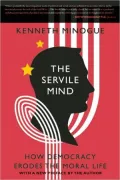
One of the grim comedies of the twentieth century was the fate of miserable victims of communist regimes who climbed walls, swam rivers, dodged bullets, and found other desperate ways to achieve liberty in the West at the same time as intellectuals in the West sentimentally proclaimed that these very regimes were the wave of the future. A similar tragicomedy is being played out in our century: as the victims of despotism and backwardness from third world nations pour into Western states, the same ivory tower intellectuals assert that Western life is a nightmare of inequality and oppression.In The Servile Mind: How Democracy Erodes the Moral Life, Kenneth Minogue explores the intelligentsia's love affair with social perfection and reveals how that idealistic dream is destroying exactly what has made the inventive Western world irresistible to the peoples of foreign lands. The Servile Mind looks at how Western morality has evolved into mere "politico-moral" posturing about admired ethical causes-from solving world poverty and creating peace to curing climate change. Today, merely making the correct noises and parading one's essential decency by having the correct opinions has became a substitute for individual moral actions.
Instead, Minogue posits, we ask that our government carry the burden of solving our social-and especially moral-problems for us. The sad and frightening irony is that as we allow the state to determine our moral order and inner convictions, the more we need to be told how to behave and what to think.
Synopsis
One of the grim comedies of the twentieth century was that miserable victims of communist regimes would climb walls, swim rivers, dodge bullets, and find other desperate ways to achieve liberty in the West at the same time that progressive intellectuals would sentimentally proclaim that these very regimes were the wave of the future. A similar tragicomedy is playing out in our century: as the victims of despotism and backwardness from Third World nations pour into Western states, academics and intellectuals present Western life as a nightmare of inequality and oppression.In The Servile Mind: How Democracy Erodes the Moral Life, Kenneth Minogue explores the intelligentsia's love affair with social perfection and reveals how that idealistic dream is destroying exactly what has made the inventive Western world irresistible to the peoples of foreign lands. The Servile Mind looks at how Western morality has evolved into mere "politico-moral" posturing about admired ethical causes--from solving world poverty and creating peace to curing climate change. Today, merely making the correct noises and parading one's essential decency by having the correct opinions has become a substitute for individual moral responsibility.
Instead, Minogue argues, we ask that our governments carry the burden of solving our social--and especially moral--problems for us. The irony is that the more we allow the state to determine our moral order, the more we need to be told how to behave and what to think. Such is the servile mind.
Book Details
Published
November 20, 2012
Publisher
Encounter Books
Pages
400
Format
Paperback
ISBN
9781594036361