
Earth Science, Nature, Biology & Life Sciences, Archaeology, Theories of Science, Biology & Life Sciences, Physical Anthropology, Archaeology, Earth Science, Nature
Log in to track your reading progress.
Overview
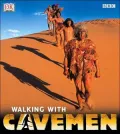
From the emergence of the first hominids more than four million years ago to the evolution of modern humans, Walking with Cavemen takes us on a fascinating discovery of our primitive origins and behavior. Far more than just another examination of the fossil evidence, the significance of each hominid's characteristics is translated for the reader into a fascinating conjecture of how they mated, brought up their young, survived attack, and met the other challenges that affected them.Author Biography: John Lynch joined BBC Science Television in 1976 as the researcher for James Burke's classic series on the history of technology, Connections. Since 2000, he has headed the BBC Science Unit, and is responsible for all major BBC science documentary programs. He is the author of Wild Weather, which accompanies the BBC television series.
Editorials
Publishers Weekly
"What is it that makes us human?" asks Lynch, head of the BBC Science Unit. Published to correspond with a Discovery Channel series of the same name, Lynch's coffee-table exploration of the origins of man runs through the record of the species, exploring how our ancestors mated, ate and defended themselves. Full-page educational spreads explain "What a tooth can tell" and "The birth of bigger brains." Chapters are divided chronologically, beginning 3.5 million years ago, with "First Steps," and travel in time, through "A Hominid Explosion," "Missing Link" and "Extinction." Present-tense writing puts a reader in the grassy plains with these creatures, hunting with them and experiencing humiliation with them: "The young male and his friend know they have made fools of themselves and, as they extract themselves from the mud and dust and slope back towards the group, the old female gesticulates, and barks strange nasal sounds at them." A mixture of imagined anecdote and explanation brings these ancestors to life, as do lifelike Land of the Lost-looking re-creations of each being in the difficult stages of human development. The voyage here is constantly guided ("To find out, we need to leave afarensis and travel further back in time: another four million years"), to the point where the handholding becomes obtrusive. But the main attraction here is the pictures: stills from the series that use Planet of the Apes-style make-up to bring prehistory to life, along with stock-seeming geological and savanna shots. It's all familiar, but competently executed. (Apr.) Copyright 2003 Reed Business Information.VOYA
This companion volume to the BBC production of the same name, which is now available in video and DVD formats, is the third in a series of realistic documentaries that includes Walking with Dinosaurs and Walking with Prehistoric Beasts. The book, through photographic re-creations, traces the footsteps of humankind's ancestors back to 3.5 million years ago, when hominids first began migrating from Africa and using tools. The main attraction of the book relates to the extent to which the producers attempted to realistically reconstruct the lifestyles and appearances of the ancient species that preceded modern man, Homo sapiens. The stunning photographs in the book, presumably taken directly from the television production, feature the actors, with Planet of the Apes-style makeup, wild hair, and clothing made from meat or skins or sometimes nothing at all. The daily life of each species is presented in the text through small vignettes that explore their eating, hunting, child-rearing, and mating habits. The chapters are occasionally broken up by scientific explanations, such as how fossils are formed and located, or how scientists can deduce diet, age, and other physical characteristics from examining fossilized jawbones. Some parents and teachers might take exception to the frontal nudity of the models used in the photographs. Otherwise, the book is a truly bold, fascinating, and most informative glimpse into the habits and habitats of humankind's prehistoric relatives, some of whom faded into extinction. Index. Illus. Photos. Charts. VOYA CODES: 5Q 3P M J S (Hard to imagine it being any better written; Will appeal with pushing; Middle School, defined as grades 6 to 8; Junior High, definedas grades 7 to 9; Senior High, defined as grades 10 to 12). 2003, DK, 224p, BeachBook Details
Published
February 1, 2003
Publisher
DK Publishing Inc
Pages
224
Format
Hardcover
ISBN
9780789497758