
Motivations - Fiction, Literary Styles & Movements - Fiction, European Peoples & Cultures - Fiction & Literature, Italian Fiction
Log in to track your reading progress.
Overview
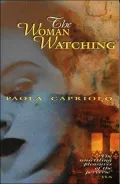
What is the nature of the actor's mask? At what point do performer and performance merge? Vulpius, a much admired young actor in a provincial rep company, develops an obsession with an unknown spectator whose gaze seems only for him, at first kindling fresh fervour in his mastery of each role, then leaving him a slave to artistic perfection. With philosophical elegance and a macabre sense of comedy, Paola Capriolo draws the reader deep into this obsession, exploring the most compelling recesses of the theatrical experience where ritual and stylisation dominate. Dark questions emerge about the power of representation and the dangers of sacrificing life to art. The Woman Watching is a work at the very centre of the European literary culture: a culture it wears lightly and with elegance.Editorials
Peter Hainsworth
. . .[T]his is not an admonitory fable. The dangers of art are part of what art is. [Translator] Liz Heron's version is highly readable. Capriolo should approve.— The New York Times Book Review
Publishers Weekly -
The second of the acclaimed Milanese writer's novels to be translated into English, this witty, psychologically astute gothic tale chronicles the ruin of two young actors in a provincial Italian theater troupe at the beginning of the century. Playing the comic role of Don Juan's valet, Sgnarelle, the great Vulpius notices a mysterious woman watching him from one of the boxes "as if there was no one but him in the entire theater." Jarred by this experience from his effortless naturalism (what a later generation of actors would call his "public solitude"), Vulpius becomes obsessed with the woman and with the theatricality of his craft; he first neglects his lover, the adoring, beautiful ingenue Dora, then uses her in private rehearsals as a stand-in for himself, until the strain of his monomania destroys them both. At once a complex reworking of the Narcissus myth and an allegory of the fate of theater under modernism, the novel is strongly reminiscent of the work of Thomas Mann, which Capriolo (Floria Tosca) has translated; the chief influence on Heron's impressive translation, however, seems to be Nathaniel Hawthorne (or else a stylist very much like him). For this reason, Heron's few slips into late-20th-century vernacular appear in regrettably high relief, although they distract only briefly from this intriguing, highly wrought account of artistic decadence. (Oct.)Peter Hainsworth
. . .[T]his is not an admonitory fable. The dangers of art are part of what art is. [Translator] Liz Heron's version is highly readable. Capriolo should approve. -- The New York Times Book ReviewBook Details
Published
June 1, 1998
Publisher
Serpent's Tail
Pages
224
Format
Paperback
ISBN
9781852425203