
Family - General & Miscellaneous, Family - Sociocultural Aspects, Social Psychology, African American General Biography, African Americans - Parenting & Family
Log in to track your reading progress.
Overview
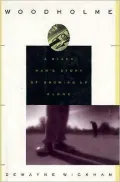
DeWayne Wickham was just eight years old when his father murdered his mother and then killed himself. Woodholme is his poignant memoir about growing up haunted by this traumatic event, and how he eventually overcame the reality of their loss. A troublemaker in school who nearly ended up in jail, DeWayne found a home among the black caddies at an all-white Jewish country club in suburban Baltimore - Woodholme - an oasis from the strife of the civil rights era and his own problem-plagued life. The encounters he had there helped him to accept responsibility as an unwed seventeen-year-old father, and finally to come to terms with the death of his parents. Gracefully written and wryly humorous, Woodholme is an evocative portrait of growing up black in the 1960s, a sensitive exploration of paternalism and paternity, and a deeply moving story of self-discovery.Editorials
Library Journal
Wickham is a syndicated columnist for USA Today and the Gannett News Service. He was the first African American journalist in the United States to be syndicated, and he has served as former president of the National Association of Black Journalists. Wickham was only eight years old when his mother and father were killed in a murder/suicide. His personal story is a bittersweet and moving narrative of growing up poor, black, and orphaned in Baltimore's Cherry Hill during the Civil Rights era. Living a troubled childhood, the author found comfort and solace with black caddies at Woodholme, an all-white Jewish country club. It was here that he finally accepted the deaths of his parents and his responsibility as an unwed teen father. This book is a tribute to Wickham's spiritual fortitude, and it shows why America must redirect attention to children, jobs, and antiviolence measures. A valuable selection for public and academic libraries.-Michael A. Lutes, Univ. of Notre Dame Lib., Ind.Booknews
Nine contributions examine the social institutions that have accompanied the development of nuclear power, the accommodations which have been required of society, and developments in France, Germany, Russia, Eastern Europe, Korea, and Japan. They consider such topics as globalization, policy choices, the effect on the American political economy, safety issues, and waste disposal, and argue for the strict regulation of nuclear power. Annotation c. Book News, Inc., Portland, OR (booknews.com)Lillian Lewis
In the 1950s and '60s, growing up in Baltimore's Cherry Hill had its ups and downs. When DeWayne Wickham's father killed his mother and then himself, the orphaned Wickham children were parceled out to relatives. DeWayne lived among yet apart from his siblings in silence and grief, trying to deal with personal issues that were both difficult and distressing. Woodholme, a Jewish country club, provided DeWayne with a job as a caddie and an escape from his family's situation. He saw the "good" life that poverty would not allow him to live. Throughout his years as a caddie, he developed a sense of self and a respect for others, virtues that allowed him to deal responsibly later with unexpected fatherhood. Ultimately, his experiences at Woodholme helped him to come to terms with the death of his parents and provided him with the strength he needed to move beyond that family tragedy. The 1960s were not an easy time to grow up for a black male, but DeWayne Wickham, syndicated columnist for "U.S.A. Today" and the Gannett News Service, beat tremendous odds.Book Details
Published
May 1, 1995
Publisher
Farrar Straus & Giroux (T)
Pages
240
Format
Hardcover
ISBN
9780374292836