
Geriatrics, Orthopedics, Physical Therapy, Diagnosis
Log in to track your reading progress.
Overview
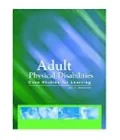
Adult Physical Disabilities: Case Studies for Learning focuses on a ca A compilation of 35 physical disabilities case studies, this student w Worksheets provide a format for the student to identify and document t heir current knowledge, learning issues, and learning plans as they de velop an evaluation plan and document a treatment plan for patients/cl ients described in the various case studies. A case study example guid es the student step-by-step through using the case-based learning appr oach and provides examples of completed worksheets. The workbook inclu des orthopedic, rheumatic diseases, amputations, spinal cord injuries, hand injuries, injured workers and workers at risk, strokes, brain in jury, and multiple sclerosis case studies.Editorials
From The Critics
Reviewer: Rebecca Leigh Cupps, BS(University of Alabama at Birmingham)Description: The purpose of this book is to enhance student problem-solving and reasoning skills in evaluation, assessment, treatment planning, and documentation techniques for adult rehabilitation. The authors use a case-based, student-centered method to enhance the student's learning potential.
Purpose: According to the author, the book is designed to help the student learn more about occupational therapy in an adult setting while developing clinical reasoning skills. These objectives are important for a successful practice in adult rehabilitation. This book meets the given objectives.
Audience: According to the author, this book is written for students. It is useful for student learning and also for clinicians who may be considering a job in adult rehab, but specialize in other areas. The authors seem to be very credible in the subject matter, based on the information they give in the book, as well as their background in occupational therapy.
Features: The book begins by describing ways in which students can work effectively as a team. There is a discussion about how a therapist should approach a case that includes reasonings for each step. Assessment choices and treatment planning are described along with the rationale for each. Complete examples are given to help guide students through the process. Cases covered include orthopedics, rheumatic diseases, amputations, spinal cord injuries, burns, MS, stroke, and brain injury. Also included are cases that deal with employee risk in work settings. The layout is very organized and easy to follow. The workbook style is very beneficial for students.
Assessment: This is a very helpful tool for an occupational therapy student's learning process. The case index is useful when focusing on specific diagnoses. I would suggest that an appendix of possible answers be included, so the book can be used outside of the classroom. I have not seen a book in this format, but it is a very effective way to learn the skills necessary for successful adult rehabilitation practice.
4 Stars! from Doody
Book Details
Published
November 30, 2001
Publisher
SLACK Incorporated
Pages
272
Format
Paperback
ISBN
9781556425370