
Fiction, World Literature, Fiction Subjects
Available on Bookshop
Write a review
Books.org participates in affiliate programs including Bookshop.org and the Amazon Services LLC Associates Program. We may earn a commission from qualifying purchases made through links on this page, at no additional cost to you.
Log in to track your reading progress.
Overview
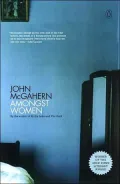
Michael Moran is an old Irish Republican whose life was forever transformed by his days of glory as a guerrilla leader in the Irish War of Independence. Moran is till fighting—with his family, his friends, and even himself—in this haunting testimony to the enduring qualities of the human spirit.
Editorials
Publishers Weekly -
A lyric lament for Ireland, McGahern's lovingly observed family drama is dominated by an almost pathetic paterfamilias. Gruff, blustering Michael Moran, former guerrilla hero in the Irish War of Independence, is a man ``in permanent opposition.'' Now a farmer, he vents his compulsion to dominate, his cold fury and sense of betrayal on his three teenage daughters. Yearning for approval but fearing his flare-ups, they periodically beat a path back to the farmhouse from London and Dublin, then take flight again, both proud and dependent. Moran's second wife, Rose, much younger than he, displays saintly patience in her attempts to heal this splintering family. Moran also claims a renegade son in London who is ``turning himself into a sort of Englishman,'' and another son driven away by Moran's threats of beatings. McGahern ( The Dark ; The Pornographer ) has crafted a wise and tender novel whose brooding hero seems emblematic of an Ireland that drives away its sons and daughters. (Sept.)Library Journal
One joke about the Irish War of independence is that several weeks' negotiations only reached the Middle Ages. McGahern's character Moran is an aging veteran of that war whose brooding on the past obscures his present. The novel is in form and style much like McGahern's first, The Barracks (1963). A male protagonist whose extreme state of mind could be called patrimania abuses the women who sustain him and refuses to acknowledge the obsolescence of his mind, body, and convictions. Such is Moran's obstinacy that he manages to traumatize his family by the mulish application of the ``family-that-prays-together-stays-together'' theory. McGahern's work vindicates obsession with the past and reexamination of fictional landscape by extracting new power from familiar predicaments. A most satisfying addition to a very distinguished body of work.-- John P. Harrington, Cooper Union, New YorkBook Details
Published
March 1, 1995
Publisher
Penguin Books
Pages
192
Format
Paperback
ISBN
9780140092554