
Epidemiology & Biostatistics, Public Health & Preventive Medicine, Diseases & Ailments, World History - General & Miscellaneous, Medicine - History
Log in to track your reading progress.
Overview
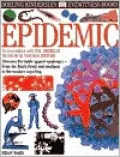
Here is an original and fascinating new guide to the epidemics that have swept the world, and the many ways people have tried to control them.Stunning full-color photographs, including giant-scale models of disease-causing agents, offer a unique "eyewitness" journey through the amazing story of epidemics, plagues, and disease.
See deadly bacteria attacking the body, an antibiotic drug from 5,000 years ago, and what "superbugs" actually look like.
Learn why antibiotics cannot kill viruses, how some bugs can trick the immune system, how the Black Death came and went, and how certain animals spread disease.
Discover why malaria has proved so difficult to eradicate, how Typhoid Mary earned her name, how a plant-mold caused a plague of hysteria, and why cures may be hidden deep in the rain forests.
And much, much more!
Discusses what an epidemic is, how it evolves, various causes and carriers, and efforts to prevent epidemics.
Editorials
Children's Literature
Done in the usual eye-popping, fast-paced style of the "Eyewitness" series, this book discusses epidemics in general and in the specific—specific plagues reviewed in two-page spreads include cholera, the Black Death, influenza, HIV and rabies. The search for new medicines and the threat of germ warfare are also discussed. In addition to photographs and drawings, most pages include larger-than-life plastic models of the organisms being discussed—and these are distracting. Readers may forever envision Shigella bacteria as large, furry pickles. I would prefer more photomicrographs. As an infectious disease physician, I usually read books like this with skepticism, as they are often fraught with scientific errors. Although this text has a few errors, none of them are "fatal flaws." For instance, the section about colds implies that Staphylococcus may cause colds. That is about the only disease state that this ubiquitous organism does not cause. The rest of this section makes the important point that colds cannot be treated with antibiotics, thus redeeming the passage. The book would be of interest to any child contemplating a career in medicine or the sciences. 2000, Dorling Kindersley, $15.95. Ages 8 to 14. Reviewer: Dr. Judy RowenBook Details
Published
September 1, 2000
Publisher
DK Publishing (Dorling Kindersley)
Pages
64
Format
Hardcover
ISBN
9780789462961