
Death & Dying - Sociocultural Aspects, Physician & Patient, Pathology, Chronic or Fatal Illness, Diseases & Disorders - General & Miscellaneous, Death, Grief & Bereavement, Caregiving - Special Needs, Healing, Love & Romance, Family & Child Health, Family
Available on Bookshop
Write a review
Books.org participates in affiliate programs including Bookshop.org and the Amazon Services LLC Associates Program. We may earn a commission from qualifying purchases made through links on this page, at no additional cost to you.
Log in to track your reading progress.
Overview
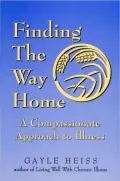
Looking at illness from the inside out, Ms. Heiss reveals distinctions which are profoundly important to those who are ill. Finding the Way Home explores the difference between disease (a biological condition) and illness (the individual human experience of it); between curing (the alleviation of symptoms) and healing (the healthy integration of all life experience, including illness); and between pain (physical distress) and suffering (the loss of meaning, connection, and hope in the face of pain). Grief is the natural and necessary response to loss, and the resilience of the human spirit in transcending grief is part of the healing process. Rather than offer formulaic solutions, Ms. Heiss affirms the need - and the right - of each individual to forge his or her own path. Ms. Heiss recognizes that being ill and witnessing illness both create distress. Her caring analysis of relationships with loved ones, friends, caregivers, and health care providers conveys not only what happens to people but between them. Accounts of support group discussions give the reader the rare opportunity to hear ill people talk honestly and openly with one another.The book contains no figures.
Editorials
From The Critics
Reviewer: Lisa Stepp, PhD, RN, APN, AOCN, CRNH(Private Practice)Description: The challenges of living day-to-day are familiar to all of us. However, those faced with a debilitating, potentially terminal disease will face challenges we never knew existed.
Purpose: The author's purpose is to give insight to the personal journey of the chronically ill. This particular text is written in such a way as to not overwhelm the reader with sentimentality but rather to give revelation and hope to those who face illness now or may be faced with illness in the future.
Audience: The audience is the lay person and clinician alike. Specifically for the clinician, this text is a reminder of what patients feel and think as well as what they must face during illness.
Features: The author's poignant revelation of grief, loss of control, and self-exploration are compelling. While clinicians are able to observe people's actions, they are not able to observe thought processes that lead to these actions. This text provides insight into one person's experience.
Assessment: With the growing technological advances in healthcare, the clinician must strive to remain focused on the patient. The importance of group therapy and the encouragement and hope it brings are key factors in making this a moving and inspiring book.
Lisa Stepp
The challenges of living day-to-day are familiar to all of us. However, those faced with a debilitating, potentially terminal disease will face challenges we never knew existed. The author's purpose is to give insight to the personal journey of the chronically ill. This particular text is written in such a way as to not overwhelm the reader with sentimentality but rather to give revelation and hope to those who face illness now or may be faced with illness in the future. The audience is the lay person and clinician alike. Specifically for the clinician, this text is a reminder of what patients feel and think as well as what they must face during illness. The author's poignant revelation of grief, loss of control, and self-exploration are compelling. While clinicians are able to observe people's actions, they are not able to observe thought processes that lead to these actions. This text provides insight into one person's experience. With the growing technological advances in healthcare, the clinician must strive to remain focused on the patient. The importance of group therapy and the encouragement and hope it brings are key factors in making this a moving and inspiring book.4 Stars! from Doody
Book Details
Published
January 1, 1997
Publisher
Fort Bragg, Calif. : QED Press, c1997.
Pages
288
Format
Hardcover
ISBN
9780936609355