
Fiction - Animals, Children - Nature, Children - Animals
Log in to track your reading progress.
Editorials
Children's Literature
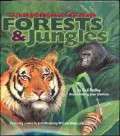
After a three-page introduction, readers will discover two-page spreads about ten endangered or threatened species. Some will be quite familiar, such as the African elephant, the gorilla and the giant panda. Others are less well-known, such as the Tasmanian forester kangaroo, the Oahu tree snail and the Delmarva Peninsula fox squirrel. In the introduction, Radley discusses the general reasons animals become endangered and what is being done to insure their survival. A large, eye-catching, life-like drawing of each animal in its habitat accompanies a brief text that discusses the specific causes of its endangered status and whether the situation is improving. Key facts about the animal (range, size, diet and life span) are presented in column format. There are also poems about each animal, some by well-known poets such as Jack Prelutsky and William Blake. There is a world map showing where each animal can be found and a page listing ways the reader can help. A glossary, bibliography, index and the web sites of major wildlife organizations are included. There are many classroom applications for this book—studying habitats and ecosystems, creating posters of endangered wildlife, creating original poems and using the ideas presented in the section called "What you can do." This is a fine introduction to the topic. 2001, Carolrhoda Books, $22.60 and $6.95. Ages 8 to 12. Reviewer: Sharon SalluzzoSchool Library Journal
Gr 2-5-Each title offers a brief look at 10 endangered species. The introduction, which is the same in both books, summarizes what happens to the animals as their habitats are threatened. Forests tells about Oahu tree snails, which live only on the Hawaiian island and are fast losing their tree homes to development. Grasslands discusses the Utah prairie dog, which ranchers poisoned because it was a nuisance to their cattle. Utah laws have now protected these animals, and they have been moved from the endangered to the threatened list. The books accord each animal a double-page spread that includes a summary essay, a sidebar of "Key Facts," and a poem. Poetry highlights include a Jack Prelutsky ode to the Brazilian three-toed sloth. A fourth-grade class describes a gorilla with "Fierce appearance, but a gentle heart." D. H. Lawrence speaks of the gazelle calf's "blithe bare foot." The poems, which can add depth and interest to a school unit or research report, make these titles more readable. The realistically painted animals are shown in their natural habitats. Animal range maps and information on what readers can do to educate and take action by conservation, smart buying, and recycling are also included. The books may well encourage more global thinking as children realize the awesomeness of these animals. Two titles that are well suited for class discussion on habitats, endangered animals, and conservation.-Melanie S. Wible, Kanoheda Elementary, Lawrenceville, GA Copyright 2001 Cahners Business Information.Kirkus Reviews
In an example from a new series, Radley (Odd Man Out, 1995, etc.) takes an enlightened look at an array of endangered species that range across the globe. Each two-page spread describes an animal, its history and habitat, as well as the disturbing reality of man's involvement in its declining numbers. The Key Facts section is a brief education in the animal's scientific name, range, size, diet, and life span. While the writing in the main text is pedestrian, the work of contributing writers such as Jack Prelutsky, Issa, and William Blake appears throughout in poems or notes, which add a literary appreciation. Dark hues of oil paint dominate the scenery as Sherlock takes the reader into the forests and woodlands of each animal from Oahu Tree Snail to African Elephant. A backdrop of grass, leaves, and branches, overflows with a mix of blended and defined techniques that encourage attention to the impressive detail of the animals. An introduction explains the serious damage that continues to plague the ecosystem and includes vocabulary, an explanation of how scientists are working to increase the populations of endangered species, and suggestions for those who would like to help make a difference. A glossary, map, index, and additional reading list further encourage young readers to get involved in preservation efforts. (Nonfiction. 7-10)Book Details
Published
February 1, 2002
Publisher
Lerner Publishing Group
Pages
32
Format
Paperback
ISBN
9781575055671