
Asia - Peoples & Places, Travel, Asian People
Available on Bookshop
Write a review
Books.org participates in affiliate programs including Bookshop.org and the Amazon Services LLC Associates Program. We may earn a commission from qualifying purchases made through links on this page, at no additional cost to you.
Log in to track your reading progress.
Editorials
Children's Literature
Its name Jih-pen means in English, "source of the sun." In the west it is called Japan. A series of islands off the eastern coast of the Asian continent, Japan encompasses the beauty, richness and grandeur of the old as well as the problems of the modern world. This work takes the reader on a whirlwind tour of this magnificent country through chapters such as, "A Land of Many Islands," "Volcanoes" and "Rice Farming." The prolific use of photographs throughout the text helps to explain the wonder of these spectacular islands. Kalman also goes into the problems of earthquakes, overcrowding and pollution. This book provides early readers with an opportunity to investigate and learn about another culture. A glossary is included to help readers with some unfamiliar terms. One of "The Lands, Peoples, and Cultures" series. 2001, Crabtree Publishing, $20.60 and $7.95. Ages 5 to 12. Reviewer: John D. OrsbornChildren's Literature -
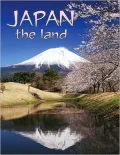
The cover offers a spectacular view of Mount Fuji. Unfortunately, the grand mountain is not always so easy to see, as Mount Fuji is often shrouded in clouds. The name of the country of Japan comes from the Chinese language and means "the source of the sun"—a bit ironic given the cloud cover. Japan is a collection of islands, with the majority of its 127 million citizens living on the four largest ones. The climate is mild, but I know from my visits that it can get quite cold in the north. The countryside is beautiful—farms, roadways, and all that you see is well-tended, clean, and neat. Himeji Castle, which is now a world heritage site, is a product of the local shoguns who built these forts to protect their land and people. Samurai were soldiers who served daimyo or feudal lords. In addition to the martial arts, most samurai were also well educated and enjoyed poetry, beautiful gardens, calligraphy, music, and other art forms. While Japan tried to seal itself off from the rest of the world, the country could not hold out forever. The old ways of working, but not the work ethic, gave way to the adoption of modern farming and industrial development. The bullet trains are an example of how the Japanese have adopted technology and transformed transportation within their own country. The text concludes with a glossary, which defines bolded words in the text, and an index. This title is part of "The Lands, Peoples, and Cultures" series. Reviewer: Marilyn CourtotBook Details
Published
October 30, 2008
Publisher
Crabtree Publishing Company
Pages
32
Format
Paperback
ISBN
9780778796640