
Animals - General, Nature, Biology & Life Sciences, Children - Nature, Agricultural Sciences, Children - Animals, Ecology & Environmental Sciences, Environmental Aspects of Agriculture, Biology, Ecology, Agricultural Management
Available on Bookshop
Write a review
Books.org participates in affiliate programs including Bookshop.org and the Amazon Services LLC Associates Program. We may earn a commission from qualifying purchases made through links on this page, at no additional cost to you.
Log in to track your reading progress.
Overview
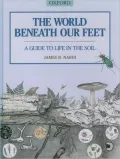
Uncovering a secret world teeming with life, The World Beneath Our Feet profiles more than 100 creatures that live and work in ordinary, everyday dirt, describing a veritable underground empire just below our feet. From the smallest of bacteria to the denizens of the duff -- such as gophers and groundhogs -- each entry includes an elegant drawing of the subject, a fact box containing scientific statistics, and an essay about the life, role, and curious features of the creature. The 25-page "goings-on in the ground" section introduces the reader to soil -- what it is, how it supports life, how it evolved, and why it wears out -- and provides a context with which to understand how and why it needs the decomposing and recycling skills of animals. Appendixes discuss erosion and the dos and don'ts of composting, including how to build a compost center in your backyard. Backmatter includes a glossary of earth-related terms, websites, further reading, and an index.
A close look at what soil is, how it evolved, how it suports life, and why it wears out, plus profiles of the plants and animals that form the ecosystem of healthy soil and how we can help to nurture them.
Editorials
VOYA
This incredible book explores the living world in the soil from woodchucks and snakes to algae and bacteria, not forgetting the important insects and earthworms. Fact boxes for each organism include classification, significance in the food web, size, and number of species. The interrelationships between the organisms and the soil are a key focus of the book. Significant scientific breakthroughs help understand the ecology of the soil, such as the partnership between truffles and the roots of oak trees. Earthworms and prairie dogs, often considered pests, are now recognized here as important contributors to their ecosystems. Tips on conducting scientific explorations of creatures in the soil are complete with suggestions including devising collection devices from plastic bottles, making compost, or growing a slime mold. An amazing photograph of a huge cast from harvester ants illustrates how much soil is affected in a few days time. The drawings of larval and adult stages of several insects are particularly helpful in recognizing them. This scholarly but engaging in-depth study of life in the soil is lively rather than stuffy and will captivate a wide range of readers, both in age and level of interest. The intimate knowledge and enthusiasm of the author for his subject is evident and engages the reader. Soil will never be the same for this reviewer. This book should be available for all middle and high school students and teachers. Glossary. Index. Illus. Photos. Charts. Further Reading. VOYA Codes: 5Q 4P M J S (Hard to imagine it being any better written; Broad general YA appeal; Middle School, defined as grades 6 to 8; Junior High, defined as grades 7 to 9; Senior High, defined asgrades 10 to 12). 2003, Oxford University Press, 176p. PLB— Marilyn Brien
School Library Journal
Gr 8 Up-An examination of more than 100 kinds of subterranean organisms. The first section describes in detail how soil is formed; the various types; and the symbiotic relationships between plants and, respectively, lichens, algae, bacteria, and fungi. Another chapter profiles soil microbes, invertebrates, and vertebrates. Entries describe the distinctive physical and behavioral characteristics of organisms; where they are found; and their diets, feeding methods, and roles in the ecosystem. Sidebars provide common names, scientific classification, ecological function, and more. Featured are such exotics as rotifers and tardigrades, as well as the more familiar nematodes, earthworms, dung beetles, snails, toads, and moles. "The Gift of Good Earth" discusses how problems such as soil erosion and acidity are exacerbated by conventional farming practices and suggests ways to improve conditions. The tightly organized text is clearly written, but a bit dry. The amount of detail is often staggering. One or two illustrations accompany the text on almost every page; they include meticulous pen-and-ink drawings, snapshot-sized color and black-and-white photos, plus a variety of diagrams. Students will need some background in both biology and chemistry to handle the material in this book. About three dozen of the same arthropods are included in the excellent Insects and Spiders of the World (Marshall Cavendish, 2002), but the entries do not have the same emphasis on soil ecology. Nardi's in-depth title will be a valuable reference for agricultural students and serious naturalists.-Karey Wehner, formerly at San Francisco Public Library Copyright 2003 Reed Business Information.Book Details
Published
April 3, 2003
Publisher
Oxford [England] ; Oxford University Press, c2003.
Pages
224
Format
Binding
ISBN
9780195139907