
Cognitive Science, Grammar, Poetic Theory, Cognitive Psychology
Available on Bookshop
Write a review
Books.org participates in affiliate programs including Bookshop.org and the Amazon Services LLC Associates Program. We may earn a commission from qualifying purchases made through links on this page, at no additional cost to you.
Log in to track your reading progress.
Overview
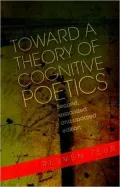
Reuven Tsur's Toward a Theory of Cognitive Poetics has three distinctive characteristics: It offers a widely interdisciplinary perspective. It provides a comprehensive view of poetry, with groups of chapters on the Sound Stratum of Poetry (rhyme patterns and gestalt theory; metre and rhythm; expressiveness and musicality of speech sounds); the Units-of-Meaning Stratum (semantic representation and information processing, metaphor, rhyme and meaning, literary synaesthesia); the World Stratum; Regulative Concepts (genre, period style, archetypal patterns); the Poetry of Orientation & Disorientation (experiential and mystic poetry versus poetry of emotional disorientation; and the grotesque); the Poetry of Altered States of Consciousness (hypnotic and ecstatic poetry); Critics and Criticism; and Cognitive Poetics vs. Cognitive Linguistics. It goes into minute details of poetic texts, so as to account for subtle intuitions of readers. Updating from the first edition consists of samples from the author's later instrumental study of the rhythmical performance of poetry and the expressiveness of speech sounds; and in three chapters responding to the later work of three cognitive linguists. This second, expanded and updated Toward a Theory of Cognitive Poetics is essential reading for all involved in cognitive literary criticism, linguistics and semantics, and poetry and music.Synopsis
This book has three distinctive characteristics: (1) It offers a widely interdisciplinary perspective; (2) It provides a comprehensive view of poetry, with groups of chapters on the Sound Stratum of Poetry (rhyme patterns and gestalt theory; metre and rhythm; expressiveness and musicality of speech sounds); the Units-of-Meaning Stratum (semantic representation and information processing, metaphor, rhyme and meaning, literary synaesthesia); the World Stratum; Regulative Concepts (genre, period style, archetypal patterns); the Poetry of Orientation and Disorientation (experiential and mystic poetry versus poetry of emotional disorientation; and the grotesque); the Poetry of Altered States of Consciousness (hypnotic and ecstatic poetry); Critics and Criticism; and Cognitive Poetics vs. Cognitive Linguistics; (3) It goes into minute details of poetic texts, so as to account for subtle intuitions of readers. Updating from the first edition consists of samples from the author's later instrumental study of the rhythmical performance of poetry and the expressiveness of speech sounds; and in three chapters responding to the later work of three cognitive linguists.Book Details
Published
June 16, 2026
Publisher
Sussex Academic Press
Pages
697
Format
Hardcover
ISBN
9781845192556