
Seals, Walruses, etc., Animal Habitats, Zoology
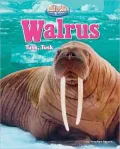
Available on Bookshop
Write a review
Books.org participates in affiliate programs including Bookshop.org and the Amazon Services LLC Associates Program. We may earn a commission from qualifying purchases made through links on this page, at no additional cost to you.
Log in to track your reading progress.
Synopsis
Introduces the physical characteristics, behavior, habitat, and migration of walruses, sea mammals that have flippers and tusks.Editorials
Children's Literature -
Walruses are hard animals to study because their habitat is extremely remote. They live in the arctic and spend most of their lives swimming in the icy ocean or resting on ice floes. If they see, hear, or smell a human nearby they will quickly dive into the water to get away. So when wildlife biologist Tony Ficshbach went to the northwest coast of Alaska in the late spring of 2010 to study walruses, he had to crawl across a the ice on his belly and shoot an arrow with a tiny radio transmitter into the thick walrus skin. Part of the "Built for Cold: Arctic Animals" series from Bearport Publishing, young readers will learn many walrus facts including how walruses are adapted to survive in one of the coldest places on earth, how they hunt and raise their young, how global warming is threatening the walrus habitat, and much more. The layout of the book is such that lots of information is presented in a visually appealing manner. The text is minimal, generally presented in one paragraph accompanied by information packed sidebars and photo captions. Much of each page consists of full color photographs and graphics highlighting the text information. Behind the text, photos, and graphics is a snowy background, further emphasizing the cold Arctic climate. Back matter includes a page of walrus facts, short discussion of the killer whale and bearded seal, two other arctic animals; a glossary of terms which have been bolded in the text; bibliography; suggestions for further reading, both online and in print; and a detailed index. Also included is a short "about the author" section. It all adds up to a great package for the nine to twelve year old biologist and at only thirty-two pages is ideal for the reluctant reader. Reviewer: Pat TrattlesSchool Library Journal
Gr 4–5—Individual volumes in this narrowly focused series merit consideration-particularly Arctic Wolf, as it profiles one of the rarest subspecies on Earth (population estimated at about 200) and Sled Dogs, which opens by introducing Isobel, a blind lead dog, then goes on to cover rescue dogs, dog training, and the Iditarod. The other volumes begin by visiting a research biologist in the field. Each book features systematically presented basic information about its animal's physical features, habitat (with range maps) and special adaptations, followed by closing spreads of recapped facts and glimpses of several other arctic creatures. Sled Dogs features period photos; it and the others also offer photos of the animals in natural settings.Book Details
Published
January 1, 2011
Publisher
Bearport Publishing Company, Incorporated
Pages
32
Format
Hardcover
ISBN
9781617721335